Man With Van Thornton Heath

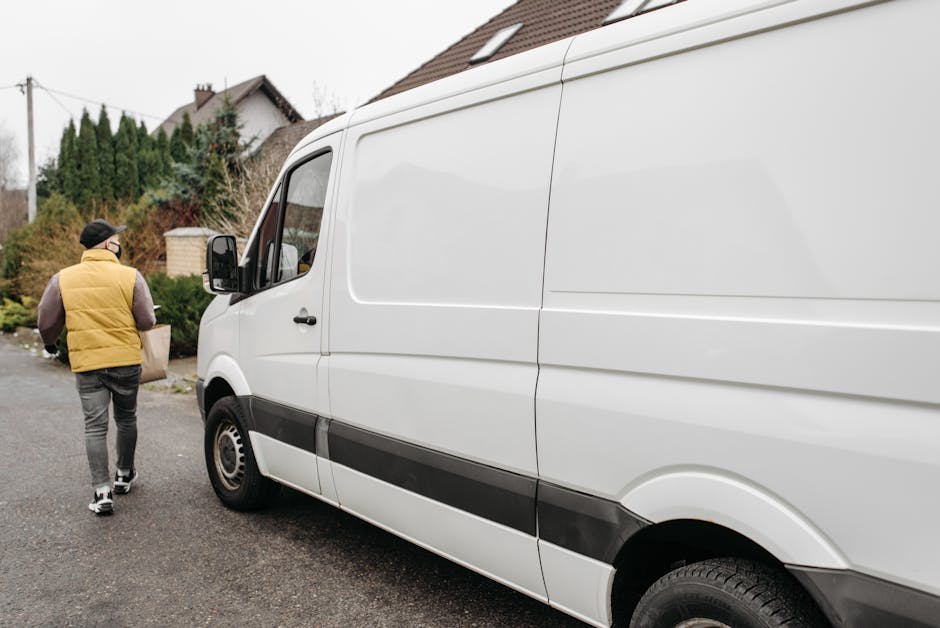
Man With Van Thornton Heath provides a straightforward moving service for household and business loads that need careful handling, sensible loading and direct transport across London and beyond. It suits customers who want a practical way to move furniture, boxes, appliances and other items without arranging a full-scale removal. Our focus is on making the process clear from the start, with support for planned moves, single-item collections and smaller relocations that still need order and attention.
The service can cover local moves within the area, trips to other parts of the city and longer journeys where a van is the right fit for the load. We work with the size of the job rather than forcing every move into the same shape, so customers can match the transport to what they actually need moved. If you are comparing options, it helps to think about volume, access and timing first, then choose the level of support that feels appropriate.
For a clear next step, you can compare the different moving pages, review price information or get in touch for a quotation. If you only need a short movement of goods, a van-based service may be more suitable than a larger removal vehicle. Ask for a quote when you are ready and use the route that best suits your move.
House moves and everyday domestic removals
House moves often involve a mix of awkward furniture, boxed belongings and items that need to be kept in a particular order during transit. A man and van approach is useful where the load does not justify a large lorry, but still needs proper planning and handling. We can support smaller flats, shared homes, studio moves and partial household transfers where the task is more than a simple courier run.
Domestic moves are easier to manage when the load is separated sensibly before collection. That does not mean every item must be boxed, but it does help to decide what is going, what needs protection and what should stay accessible at the destination. The most useful arrangements usually allow for a secure loading sequence, a sensible route through the property and space for larger pieces of furniture to be placed where they can be lifted safely.
Useful domestic services
For many customers, the main decision is whether to move everything in one journey or split the work into smaller collections. The service can be adapted either way, which is why it helps to plan around the contents rather than an assumed property size. Typical domestic work may include:
- furniture transport for beds, tables, wardrobes and similar items
- box and bag loading for general household belongings
- appliance movement where access and weight allow
- part-load moves when only selected items need transport
Commercial moves and office removals
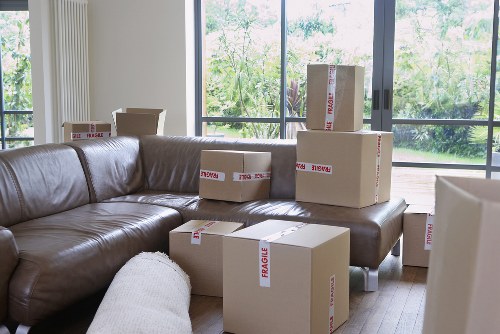
Businesses often need moving support for desks, chairs, storage units, files and boxed stock without stopping work longer than necessary. Commercial moves benefit from a service that is organised, careful and practical, especially where access windows are limited or items need to reach the new site in a usable order. A van-based move can be a sensible choice for small offices, workshops, studios and other premises with moderate contents.
Office removals may involve dismantled furniture, monitors, archive boxes, marketing materials or equipment that should be kept together. The key is to move items in a way that makes reassembly or unpacking simpler at the other end. When a business plans the job properly, it is easier to keep records, avoid mix-ups and reduce the time spent searching through mixed loads later. If you are arranging a business move, clarity about what is included is more useful than guesswork about vehicle size.
We can also handle movements that are not full office relocations, such as the transfer of surplus furniture, one-off collections from suppliers or the transport of items between branches. For those jobs, the work is often about keeping the load secure and moving it at the right time, rather than providing a large, complicated relocation package. Smaller commercial loads still deserve proper care, and they can often be completed efficiently when the contents are well described in advance.
Packing support, loading and careful transport
Packing and unpacking support can make a noticeable difference to a move, especially when fragile household items, mixed boxes or business materials need to travel together. The aim is not to overcomplicate the job, but to make loading safer and unpacking more manageable. Good packing keeps loose items together, helps prevent rubbing or breakage and makes it easier to place boxes in the van in a stable way.
Some customers only need help with the heavy or awkward parts of the move. In that case, loading support can be the most useful service because it gives extra control over how furniture and boxes are arranged in the vehicle. Careful placement matters, particularly for items that should not be tipped, stacked or squeezed against one another. A planned loading order can also help when items need to come off in a particular sequence at the destination.
When preparing a quotation, it is useful to give a simple outline of what is being moved, any access restrictions and whether the items are boxed, wrapped or still loose. That sort of information helps the work be quoted more accurately and avoids unnecessary assumptions. If you are ready to move, you can keep the first conversation short and then add detail once the main load is clear.
Single items, furniture pick-up and mixed loads

Not every booking is a full home move. A man with a van is also well suited to single items, store collections and mixed loads that need moving from one place to another without a separate specialist vehicle. Furniture pick-up is especially common where a table, sofa, bed frame or cabinet has been bought privately and needs to be collected at a time that suits both locations.
This type of work is often about flexibility and fit. A single large item may need blankets, straps or space around it in the van, while several smaller items may travel better when grouped in a stable arrangement. The service can be useful when you want to move an item from a shop, home, storage unit or office and do not want to organise a larger removal just for one or two pieces. That makes it a practical option for one-off transport tasks.
Some jobs combine household and business items, such as a desk with boxes, display materials with shelving, or a mix of furniture and general goods. These mixed loads are best approached with an accurate description of the contents rather than a broad estimate. If the load is unusual, fragile or difficult to carry, it is better to mention that at the outset so the transport plan suits the items being moved.
Choosing the right van move for your load
The right moving option depends on more than the number of rooms involved. A careful comparison of item size, stacking possibilities, parking access and the distance to travel usually gives a better answer. A smaller van may be ideal for a few large pieces, while a fuller load of lighter boxes can also suit a compact, well-organised move. The most practical plan is the one that matches the real contents.
When people choose a man with a van service, they often want a balance of simplicity and control. That can mean moving a selection of belongings from a rented property, clearing out items for storage, or shifting office equipment between sites. The service is useful because it adapts to the load without forcing the move into an oversized format. In other words, it is designed for useful transport rather than unnecessary complexity.
There are some basic decisions that help the job run well. If you are comparing options, think about whether the items need help with carrying, whether any large pieces must be dismantled, and whether the destination has stairs or narrow access. Those details shape the moving plan and make it easier to match the vehicle and handling to the task. Once those points are clear, a quotation can be based on the move itself rather than a rough guess.
About Thornton Heath
Thornton Heath is a district in the London Borough of Croydon, positioned in south London and shaped by its role as a busy suburban centre on the route between Croydon and central London. The area grew significantly in the nineteenth century after transport links improved, and the arrival of railway travel helped turn former open land into a settled urban neighbourhood. Thornton Heath railway station remains one of the most recognisable local transport points, linking the district with nearby centres and making the street pattern around the station especially active. The main commercial corridor along London Road gives the area a practical, lived-in character, with shops, services and everyday foot traffic mixing with residential streets nearby. Older housing survives alongside later terrace and flat developments, creating a varied built environment rather than a single uniform style. Local landmarks include Thornton Heath Recreation Ground, a valued open space for walking and informal recreation, and the historic former cinema building that now stands as one of the district’s better-known architectural reminders of changing leisure habits. The area also sits close to the wider Croydon urban fabric, so it shares in the town’s broader mix of housing, retail and transport connections while still retaining its own distinct local centre. That combination of connectivity, residential density and long-standing community life has helped Thornton Heath remain recognisable as more than just a passing route through south London.
Pricing, access and what affects the quotation

Quotations for van-based removals are usually shaped by the amount being moved, the distance travelled and the level of carrying help required. Access can also affect the plan, especially when there are stairs, limited parking, narrow hallways or items that need extra handling. A move that looks simple from the street can still take longer if large furniture has to be turned carefully or carried from a difficult position inside the property.
It also helps to think about the type of load. A van filled with light boxes is not the same as a few heavy cabinets or appliances, and the handling requirements are different even when the overall volume seems similar. Accurate descriptions make it easier to prepare a quote that reflects the actual work. For that reason, it is sensible to mention anything that may influence loading, transport or unloading before the job is booked.
When arranging the move, you do not need to write a long brief, but it is useful to note the main items, the collection and delivery locations, and whether there are any practical constraints. If you prefer, you can begin with a simple outline and then refine the details. The more precise the load description, the more relevant the quotation, and that saves time on both sides.
Planning collection and delivery
A straightforward move often depends on small practical choices rather than dramatic preparation. Clear access, enough time at each end and a sensible order for the items can make the whole process smoother. If the load contains a mixture of furniture and boxes, it is often best to keep similar items together so they can be unloaded in a logical sequence. That reduces confusion when you arrive and makes placement easier.
If you are moving from a home, storage unit or workplace, it helps to keep the collection point ready before the van arrives. That may mean separating items that are staying behind, grouping the goods being moved and making sure the larger pieces are easy to reach. For some jobs, dismantled furniture travels better than assembled items, but that choice depends on the piece itself and the effort involved in reassembly afterwards. A sensible plan looks at the whole job, not just the vehicle.
To keep things practical, many customers find it useful to prepare three simple points before requesting a quotation: what is going, where it is going, and whether there are access issues. That gives enough information for a useful first discussion without turning the enquiry into a lengthy form. You can then decide whether the move is best handled as a single run, a part load or a short sequence of collections.
Insurance, safety and careful handling
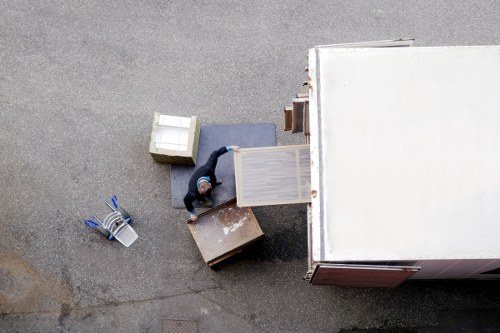
Safe handling matters on every move, from a small furniture pick-up to a fuller house transfer. Items need to be lifted, loaded and placed in a way that reduces avoidable knocks and strain. The most useful approach is usually calm and methodical: protect the load where needed, keep heavier pieces stable and avoid stacking things in a way that places pressure on delicate surfaces. That is especially important for furniture with panels, glass or awkward weight distribution.
When people compare moving services, they sometimes focus only on transport and overlook the value of planning around safety. In practice, safety affects both the items and the people moving them. If a piece is too heavy, too large or awkwardly shaped, it may need extra care or a different lifting approach. That is why descriptions of the load should be accurate rather than optimistic. The right setup makes the job more efficient and more controlled.
For peace of mind, customers often want to know how the move will be managed from loading to delivery. That is where a clear, measured service is most helpful, because it avoids rushed decisions and keeps the work organised. If you would like to compare options, review the service pages, look at the price information and then send a quotation request when you are ready. A clear enquiry is the easiest way to start.
Further moving options and practical support
Some customers need more than one type of support around the move, especially when the contents are varied or the timetable is tight. In those cases, it can help to look at the surrounding service pages and decide what best fits the job. A house move, office relocation or single-item collection may each call for a slightly different approach, even if the vehicle and handling method overlap.
The broader moving pages can be useful when you are deciding how much of the work should be included. For example, a full relocation may suit one type of booking, while a smaller transport task is better kept simple. If you want to compare the main options, the removal services page offers a broad overview, while the man and van page is helpful if you are looking for a compact moving setup rather than a large removal operation. Those routes can help you decide which service frame fits the job.
When you already know the move is mainly a household relocation, the more specific house moves and home moves pages can provide a better match for domestic arrangements. If the work is business-related, commercial moves and office removals are the clearer places to review. Use the destination that matches the task, then keep the enquiry focused on the items, route and access.
Booking, comparisons and the next step
It is often easier to book a van move once you have compared the service style with the size of the job. If the contents are simple and the route is straightforward, a man with a van arrangement can be a practical middle ground between doing it yourself and arranging a large removal. It gives you a manageable transport option without making the process more formal than it needs to be.
For extra detail on value and planning, the pricing and quotes page is useful before you decide how to proceed. If packing is part of the job, the packing and unpacking services page may also help you judge whether you want assistance with preparation as well as transport. Customers who are still comparing the business background can review about us for general company information, while the insurance and safety page sets out the safety-minded side of the service.
When you are ready, keep the final step simple: make a short note of the items, the pickup point and the destination, then request a quotation. If your move is time-sensitive or contains bulky pieces, mention that clearly. Plain details lead to a more useful response, and that is usually the quickest way to move from planning to transport.