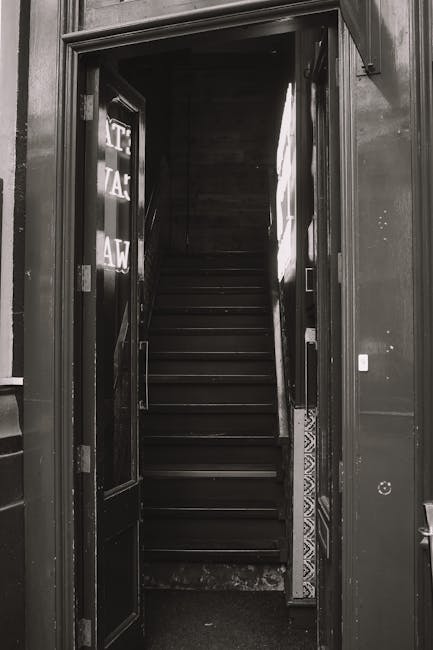
Narrow Terraced Stairs? Thornton Heath Moving Solutions

Narrow terraced stairs can turn a moving day from mildly stressful into properly awkward. One minute you're carrying a sofa, the next you're staring at a tight turn, a low ceiling, and a banister that suddenly feels two inches too close. If you live in Thornton Heath, you already know how many homes have compact staircases, narrow landings, and sharp corners that don't forgive guesswork. This guide explains how Narrow Terraced Stairs? Thornton Heath Moving Solutions works in real life, what makes it different, and how to avoid the usual headaches without overcomplicating the job.
Whether you're moving a flat-pack wardrobe, a mattress, or a heavy three-seater, the route out of the property matters as much as the item itself. And to be fair, that's where careful planning saves the day. You'll find practical steps, common mistakes, a simple comparison of methods, and a checklist you can actually use, not just skim and forget.
Why Narrow Terraced Stairs? Thornton Heath Moving Solutions Matters
Terraced housing in Thornton Heath often comes with narrow internal access, especially on older streets and converted properties. That's not a problem on its own. The issue starts when standard moving assumptions meet a staircase that is too tight for a sofa to turn comfortably, or too steep for a heavy item to be held safely by one person. Suddenly, the move is no longer about transportation alone. It becomes a logistics problem, a safety issue, and sometimes a bit of a geometry puzzle.
Narrow stairs matter because they affect three things at once: the item, the property, and the people moving it. A wrong turn can scrape walls, chip woodwork, bend frames, or strain someone's back. In our experience, most damage happens not because the item is too heavy, but because the path was not properly assessed beforehand. That's the difference between a move that feels controlled and one that ends with everyone standing still, breathing hard, and saying, "Right... now what?"
There is also a timing issue. On a tight staircase, every extra step takes longer. A job that looks simple from the pavement can need careful dismantling, angle checks, protective wrapping, and more than one carry attempt. If your moving plan ignores access, it tends to cost more in time, energy, and stress later on.
For anyone preparing a house move, it helps to think about the staircase before the van. If you want broader packing advice alongside access planning, you may also find smart packing insights for your upcoming house move useful, especially when bulky items need to be broken down and labelled clearly.
How Narrow Terraced Stairs? Thornton Heath Moving Solutions Works
The process usually starts with a quick access assessment. That means checking stair width, turn radius, ceiling height, door swing, banister position, and any awkward features like radiators, tight hallways, or a very eager cat underfoot. A good mover doesn't just look at the item. They look at the route, the grip points, and whether the item needs to be turned vertically, carried in sections, or moved with protection in place.
From there, the work is broken into manageable stages:
- Measure and assess the item and the stair route.
- Decide whether disassembly is needed, for example removing legs, shelves, or doors.
- Protect surfaces with blankets, wraps, or corner guards where appropriate.
- Assign roles so each person knows who leads, who supports, and who gives the clear verbal calls.
- Move slowly and adjust at landings, turns, and pinch points.
- Load the vehicle in a way that keeps weight balanced and items secured.
The verbal part is underrated. Simple calls like "steady," "stop," "pivot," and "down a touch" can prevent a small wobble becoming a damaged wall. It sounds basic, almost too basic, but basic is good when you're carrying something that costs more than the day's lunch.
For heavier or awkward items, the team may use moving straps, lifting aids, or dollies only where the staircase allows it. On particularly tight terraced stairs, manual handling and controlled positioning are often safer than forcing equipment where it doesn't belong. If you're curious about the lifting side of things, innovative practices in kinetic lifting offers a useful perspective on safer movement techniques.
For customers with specialist items, the process becomes even more deliberate. A piano, for instance, is not something to "just get down the stairs somehow." If that sounds like your situation, why a professional should move your piano explains the care that such pieces usually require.
Key Benefits and Practical Advantages
The biggest benefit is obvious: less risk. But the practical advantages go beyond that. When narrow stairs are handled well, the whole move feels more organised, and you tend to make fewer costly mistakes along the way.
- Reduced damage risk: Walls, banisters, paintwork, and the item itself are less likely to suffer knocks.
- Better time management: A clear access plan prevents repeated attempts and unnecessary delays.
- Lower physical strain: Careful handling protects backs, shoulders, and knees.
- More confidence on the day: Everyone knows what the plan is, which calms things down a bit.
- Less disruption for neighbours: Important in terrace rows where people are close together and noise carries.
There's also a mental benefit. Once you know the stairs have been assessed properly, the rest of the move feels far less chaotic. You can focus on the box labels, the van loading, the final sweep of the hallway, all those small jobs that suddenly matter a lot at 4:30pm.
For many households, this is the difference between moving something intact and moving something "mostly intact, except for that corner." Not ideal, obviously.
Who This Is For and When It Makes Sense
This kind of moving support makes sense for anyone dealing with restricted access, but it is especially helpful in certain situations. If your staircase is steep, narrow, or turns sharply halfway up, that's the classic warning sign. If your item is wide, heavy, fragile, or awkwardly shaped, the need becomes even clearer.
You'll likely benefit from a specialist approach if you are:
- moving from a terraced house with limited hallway space
- relocating large furniture such as wardrobes, beds, sofas, or desks
- handling student items that need to move quickly and efficiently
- planning a flat move where stairs are unavoidable
- moving office equipment through a compact building entrance
- dealing with same-day timing and no room for trial and error
Students and renters often underestimate how much access affects a move. A single awkward chair can hold everything up. If that's your situation, student removals Thornton Heath can be a handy reference point when you're planning a lighter but still tricky move.
Likewise, if you're dealing with a property where stairs are only part of the challenge, flat removals Thornton Heath is relevant because flats often combine narrow access with limited parking and tighter loading windows. That combination can be a bit of a nuisance, truth be told.
Step-by-Step Guidance
If you want a practical route through the whole process, use this sequence. It keeps the job grounded and avoids the common "we'll figure it out when we get there" approach, which rarely ends well.
1. Measure the difficult points first
Measure stair width, landing depth, and the longest diagonal distance your item must travel. Don't forget door frames at the top and bottom. The first measurement is rarely the only one that matters.
2. Decide whether the item should be dismantled
Removing legs, headboards, handles, or shelves can transform an impossible carry into a manageable one. For beds and mattresses especially, practical breakdown and wrapping can save a lot of grief. If that is relevant to your move, learn savvy techniques for transporting your bed and mattress gives a good sense of what tends to work best.
3. Clear the route fully
Move shoes, coats, mirrors, plant pots, and anything else that narrows the route. A clean path is not glamorous, but it matters. One stray umbrella by the front door can become surprisingly annoying when carrying a bulky item.
4. Protect the property
Use covers for corners, floors, and bannisters where needed. Some properties benefit from temporary doorway protection too. This is especially useful in older terraces where paintwork is already fragile or the staircase has a slightly uneven feel.
5. Lift with control, not speed
Slow is smooth. Smooth is safe. That old saying exists for a reason. Keep communication clear and pause at awkward points rather than forcing a turn. A two-second stop is better than a bent frame.
6. Load the van strategically
Once the item is out, secure it properly in the vehicle. Do not leave it wedged loosely against boxes and hope for the best. That hope rarely pays off. Use the van space intelligently, then check tie-downs and stability before setting off.
7. Finish with a final check
Look over the stairs, hallway, and front entrance for scuffs, chips, or anything left behind. A tidy exit says a lot, and it saves headaches later if you spot an issue while the job is still fresh.
Expert Tips for Better Results
Here's where a bit of real-world judgement helps. The difference between a decent move and a smooth one often comes down to a handful of small choices.
- Photograph awkward items before moving. It helps with reassembly and gives you a reference if something looks off later.
- Wrap corners before you carry, not after. That sounds obvious, but people still forget it.
- Use the landing as a planning point. Landings are not just pauses; they are where the next move gets decided.
- Keep hands dry and grips secure. Sweaty hands on varnished bannisters are a bad mix.
- Don't overpack boxes for stair carries. Heavy boxes become awkward fast on narrow steps.
- Leave a little daylight in the schedule. If you think a stair carry will take 15 minutes, give it 25.
For broader moving preparation, navigating your house move without breaking a sweat is a useful companion read. And if you're trying to reduce the sheer volume of things moving through the stairs, cut the clutter preparing your home for a move can help you decide what is actually worth taking.
One more thing: if you've ever watched a sofa hover at a staircase corner while three people quietly re-think their life choices, you'll know why patience matters. It really does.
Common Mistakes to Avoid
Most stair-related moving problems come from a few predictable mistakes. Once you know them, they're easier to avoid.
- Measuring only the item, not the route. A sofa can be the right size for the room and still be the wrong size for the staircase.
- Ignoring the turn at the landing. Turns are often the real problem, not the straight run.
- Trying to force one-person moves. Some items can be handled solo, but others really shouldn't be. For that edge of the DIY spectrum, solo strategies for handling heavy lifting tasks is a useful reminder of where caution matters.
- Skipping protection for walls and floors. Little marks add up quickly.
- Not checking parking and access outside. You can't move efficiently if the van is stuck in the wrong spot.
- Rushing the final corner. That is where damage likes to happen.
People also underestimate how much decluttering helps. Fewer items on the stairs means fewer points of contact, fewer trip hazards, and fewer "where do we put this for now?" moments. If you want a practical pre-move reset, pro tips for decluttering and cleaning pre-moveout is worth a look.
Tools, Resources and Recommendations
You do not need a warehouse full of kit, but the right few tools make the job calmer and safer.
| Tool or Resource | What it helps with | Best used for |
|---|---|---|
| Moving blankets | Protecting walls, doors, and furniture | Sofas, tables, cabinets |
| Straps or lifting aids | Improving control and balance | Heavy or awkward items |
| Corner guards | Preventing chips and scuffs | Narrow stairwells, sharp turns |
| Bubble wrap or padded wrap | Protecting fragile surfaces | Mirrors, glass, furniture edges |
| Clear labels and tape | Keeping dismantled parts organised | Beds, wardrobes, modular furniture |
It also helps to understand what kind of moving support suits the job. If you need a flexible local solution, man and van Thornton Heath can be a good fit for smaller or medium moves with restricted access. If you want a broader look at the available support, services overview gives a sensible starting point.
For furniture-only moves, especially when stair access is the main complication, furniture removals Thornton Heath is the most directly relevant option. And if time is tight, same day removals Thornton Heath may suit urgent situations where you need speed as well as care.
Law, Compliance, Standards, or Best Practice
For a move like this, the main compliance concern is manual handling and the duty to avoid unnecessary injury or damage. In UK practice, that means working in line with sensible manual-handling principles, using appropriate equipment where helpful, and not asking people to carry items they cannot safely manage. No drama, just good practice.
For customers, the practical takeaway is simple: choose a mover who takes safety seriously, communicates clearly, and doesn't pretend every staircase is "fine" when it obviously isn't. Good practice should include risk awareness, surface protection, and realistic judgement about whether an item needs dismantling or specialist handling.
Insurance is another normal consideration. If a mover is handling tight staircases, you want clarity about how items are protected and what happens if something gets damaged. That is not pessimism. It is just sensible planning. If you'd like a broader view of how the business approaches this, insurance and safety and health and safety policy are worth reading in plain language before you book.
Accessibility matters too. A property can be challenging for all sorts of reasons, and a respectful, adaptable approach is part of the job. If access is a concern more generally, accessibility statement gives a useful signal about how seriously accessibility is treated.
Options, Methods, or Comparison Table
There is no single "best" method for every narrow staircase. The right choice depends on the item, the property, and the time available. Here's a straightforward comparison.
| Method | Best for | Pros | Watch-outs |
|---|---|---|---|
| DIY carry | Light, manageable items | Low direct cost, flexible timing | Higher risk on narrow stairs, more physical strain |
| Local man and van | Smaller to medium moves | Flexible, practical, efficient | May still need careful dismantling and access planning |
| Specialist furniture removal | Bulky or awkward furniture | Better handling of difficult shapes and tight access | May need more preparation time |
| Urgent same-day support | Short-notice moves | Fast response, reduced downtime | Less margin for error if items are not prepped well |
For business moves, the staircase issue can be matched by corridor access, desks, and file cabinets, so office removals Thornton Heath is the more suitable route. If you are comparing providers, removal companies Thornton Heath and removal services Thornton Heath can help you think in terms of service level rather than just vehicle size.
Case Study or Real-World Example
A typical Thornton Heath scenario goes like this. A couple is moving out of a terraced house with a narrow staircase and a tight front room. The sofa looked fine in the living room, but once they tried to angle it down the stairs, the turn at the first landing became the problem. Not the weight. The angle.
Instead of forcing it, the movers paused, removed the feet, rewrapped the arms, and changed the carry position. That small adjustment turned a stuck job into a controlled one. The item came out without damage, the hallway stayed clean, and the whole move regained momentum. Nothing fancy. Just good judgement.
Another common example is a bed frame that seems easy until the headboard meets a low ceiling on the way down. In that case, pre-disassembly is usually the smarter route. It takes a little longer before the move, but saves a lot of swearing. Not a scientific term, perhaps, but an accurate one.
If you need somewhere temporary for furniture while you sort the next stage of a move, storage Thornton Heath can help reduce pressure on tight moving days. That can be especially useful if the property layout and delivery timing do not quite line up.
Practical Checklist
Use this checklist before moving anything through narrow terraced stairs.
- Measure the stair width, landing, and doorway clearances
- Check whether the item can be dismantled safely
- Protect walls, banisters, floors, and corners
- Clear the staircase and hallway completely
- Label screws, fittings, and removed parts
- Decide who leads and who supports the carry
- Confirm parking and van access outside
- Wrap fragile or high-value surfaces
- Set aside extra time for awkward turns
- Keep water, gloves, and tape close at hand
- Review whether the item should be moved by specialists
- Do a final inspection after the carry is complete
If the move also involves packed boxes, use robust materials and avoid overfilling them. For supplies, packing and boxes Thornton Heath is a practical place to start when you want to keep the load balanced and tidy.
And yes, it sounds a bit obvious to say "measure first," but that is usually where the problem starts or ends. Funny how that works.
Get a free quote today and see how much you can save.
Conclusion
Narrow terraced stairs are not a reason to panic, but they are a reason to plan properly. In Thornton Heath, where many homes have compact layouts and characterful staircases, moving success often depends on the route rather than the item itself. Get the measurements right, prepare the property, use suitable equipment, and choose a method that matches the access challenge in front of you.
The best moves feel calm because the awkward parts were handled before the first box was lifted. That is the real advantage of a thoughtful approach. Less scrambling, less damage, less stress. And a much better chance of ending the day with your furniture, your walls, and your temper all in one piece.
If you're still weighing up your options, take a breath, look at the staircase properly, and choose the solution that makes the move feel manageable. A careful start really can change everything.
Frequently Asked Questions
What does Narrow Terraced Stairs? Thornton Heath Moving Solutions actually mean?
It refers to moving support and planning for homes in Thornton Heath where staircases are narrow, steep, or awkward for bulky furniture. The focus is on safe access, careful handling, and reducing damage during the move.
Can a sofa usually get down a narrow terraced staircase?
Sometimes yes, sometimes no. It depends on the sofa shape, landing space, stair width, and ceiling height. Many sofas need their feet removed or a different carry angle to fit safely.
Do I need to dismantle furniture before moving it?
Often, yes. Beds, wardrobes, tables, and some sofas are much easier to move when partially dismantled. If the item has removable parts, it is usually worth considering rather than forcing a full carry.
How do movers protect walls on tight stairs?
They may use moving blankets, corner protection, floor covers, and careful carry technique. Protection is especially useful where stairwell paint, bannisters, or plaster are already delicate.
Is a man and van service enough for narrow stairs?
It can be, if the load is manageable and the team is prepared for awkward access. For heavier or more delicate furniture, a more specialist furniture removal approach may be the safer choice.
How much extra time should I allow for narrow stairs?
Allow more time than you would for a straightforward ground-floor move. The exact amount varies, but awkward turns, dismantling, and careful handling usually slow things down a bit.
What if my staircase has a tight turn halfway up?
That is one of the most common access problems. The usual solution is to check whether the item can be angled differently, partly dismantled, or carried in a more controlled position by two people.
Are same-day removals a bad idea for terrace houses?
Not necessarily, but they work best when the access is already understood or the move is relatively light. If the stairs are very tight and the furniture is bulky, advance planning is still the safer route.
Can storage help with a difficult stair move?
Yes. If you do not need everything moved at once, storage can reduce pressure and let you move in stages. That can make a very cramped property much easier to manage.
What should I check before booking a mover for narrow stairs?
Check whether they ask about stair width, item dimensions, parking, dismantling, and protection methods. Those questions usually signal a more thoughtful service.
Is it safer to carry heavy items myself or hire help?
For awkward staircases, hiring help is often the safer choice. Heavy lifting on a narrow stairwell can quickly become risky if the item shifts or the carrier loses balance.
How can I make moving day less stressful overall?
Declutter early, pack clearly, keep stair routes free, and leave a little extra time in the schedule. If you want more practical prep advice, the linked moving and packing guides in this article are a good place to start.
There's no magic to it, really. Just a bit of preparation, a bit of patience, and the right help when the staircase decides to be difficult.